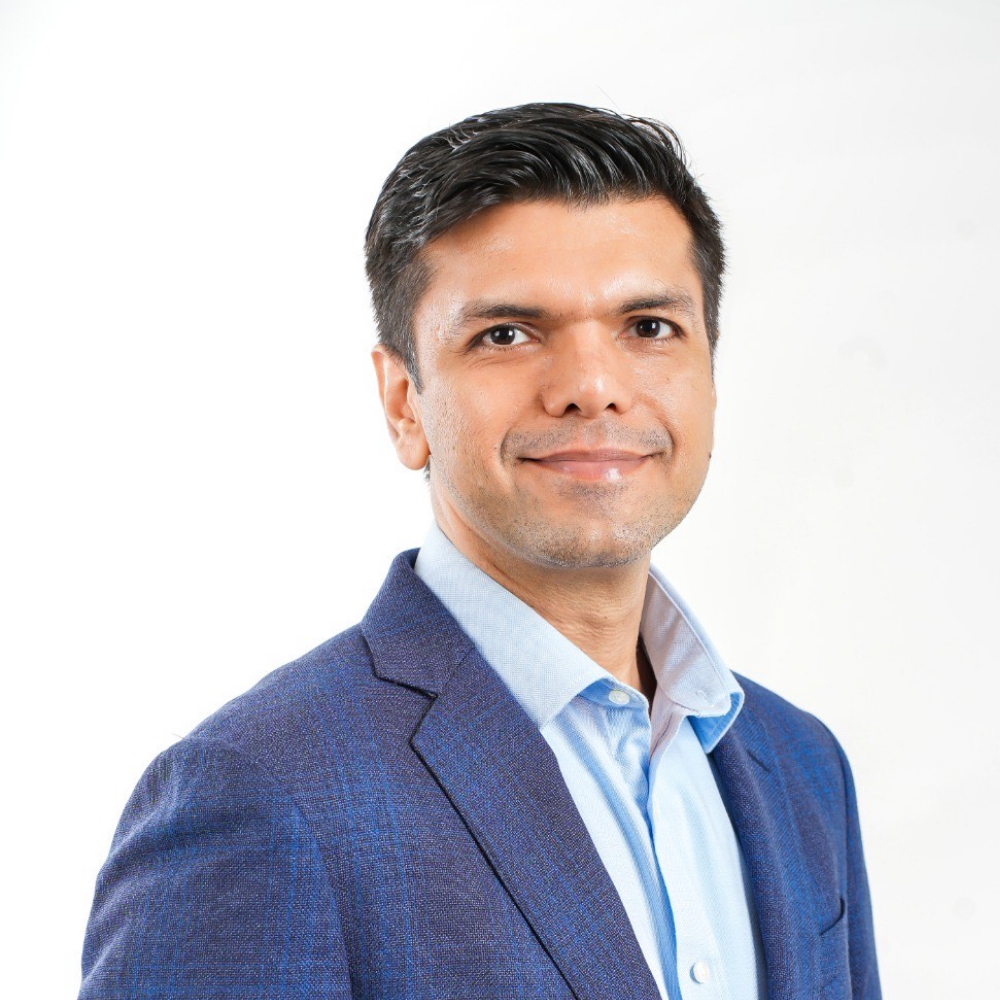
As a successful entrepreneur, investor, and commentator on global real estate, cross-border wealth, and international capital flows, Abhii Dabas knows a thing or two about what it takes to succeed in the industry. Read on for some of his most valuable insights below
Two decades. Multiple currencies. Countless market cycles. I break down the critical, often overlooked variables that separate a winning global property investment from a costly mistake.
The most expensive property lesson I ever learned had nothing to do with property. It was about trust.
Like many investors making their first cross-border acquisitions, I was captivated by the obvious variables. The location looked compelling. Demand was growing. The numbers worked neatly in a spreadsheet. The city was attracting attention and the future appeared promising. The problem was the developer.
What followed was a familiar story for many international investors: delays, uncertainty, legal complexity, and years of opportunity cost. Looking back, I realised I had spent months analysing the market and almost no time analysing the organisation responsible for delivering the asset.

The Cost of Misplaced Trust
It would not be the last time I discovered that the greatest risks in global property investing are rarely found in the property itself. Over the past two decades, I have invested across multiple countries, legal systems, currencies, and market cycles. Some investments performed exceptionally well. Others provided expensive but valuable education.
What surprised me most was how often outcomes were determined by factors that never appeared in the sales brochure. The quality of the developer proved far more important than I initially understood. Markets can recover from downturns. Projects do not always recover from poor execution. Today, I spend as much time examining balance sheets, track records, funding arrangements, and previous developments as I do studying the underlying market. A mediocre property delivered by an exceptional developer will often outperform an exceptional property delivered by a weak one.
The same principle applies to legal systems. Investors rarely think about the rule of law when everything is working as expected. They think about it when construction stalls, contracts are disputed, regulations change, or funds become trapped. Some markets appear extraordinarily attractive until something goes wrong. Others seem unremarkable until they demonstrate how effectively they protect investor rights. Experience has taught me that predictability is often worth paying for.
Currency risk provides another lesson in humility. One investment may appreciate substantially in local currency terms and still produce disappointing results when measured in the investor’s home currency. Property investors often spend countless hours studying floor plans and rental projections while paying relatively little attention to exchange rates, despite the fact that currencies can determine outcomes just as powerfully as property fundamentals.

The Hidden Math of Real Returns
Returns themselves are often misunderstood. Many investors focus on headline yields, yet headline yields are largely theoretical. Net yields are what matter. Service charges, insurance, maintenance, taxes, management costs, vacancies, financing expenses, and compliance obligations have a habit of appearing after the acquisition has been completed. More than once, I have watched an attractive projected return shrink dramatically once the realities of ownership emerged.
Luxury developments deserve particular scrutiny. Premium amenities, concierge services, wellness facilities, landscaped common areas, and extensive management infrastructure can undoubtedly enhance appeal. They can also quietly erode profitability. Investors should understand not only today’s costs, but how those costs are likely to evolve over the next decade.

Liquidity, Leverage, and the Illusion of Hype
Another reality often overlooked is liquidity. Buying property is relatively easy. Selling it reveals the true depth of a market. Some cities possess broad and diverse buyer pools capable of sustaining demand across economic cycles. Others rely heavily on a narrow category of purchaser whose enthusiasm can disappear remarkably quickly. A market’s exit opportunities deserve just as much analysis as its entry opportunities.
Financing is similarly underappreciated. Access to long-term, low-cost debt in stable jurisdictions can dramatically improve returns while preserving capital for future opportunities. Two investors purchasing the same asset under different financing conditions may experience vastly different outcomes.
Perhaps the most important distinction I have observed is the difference between temporary excitement and structural growth. Tourism booms, major events, social media trends, and fashionable narratives often generate attention. Some become enduring success stories. Many fade. The strongest investments I have made were supported by deeper drivers: infrastructure development, population growth, job creation, institutional capital inflows, improved connectivity, and expanding purchasing power. Structural change tends to outlast headlines.
The Big Picture: Systems Over Structures
Taxes belong in the same category. Too many investors evaluate tax consequences after making an investment rather than before it. Rental income taxes, capital gains taxes, inheritance taxes, withholding taxes, reporting obligations, and ownership structures can have a profound impact on long-term returns. Over time, tax leakage often destroys more wealth than market volatility.
Global property investing is not really about buildings. It is about understanding the invisible forces that make those buildings valuable in the first place.
This is why the most sophisticated global investors rarely view property in isolation. They view it as one component of a broader wealth strategy that encompasses residency, tax residency, succession planning, asset protection, financing, and long-term family objectives. The question is no longer simply where to invest. Increasingly, it is how to organise wealth across jurisdictions in a way that maximises opportunity while preserving flexibility.

Looking back, the properties themselves have rarely been the defining factor. The most successful investments emerged from understanding the systems surrounding them: the legal framework, the developer, the currency, the financing environment, the tax regime, the demographic trends, and the broader direction of capital.
Property remains one of the most powerful tools for building and preserving wealth. Yet global property investing is not really about buildings. It is about understanding the invisible forces that make those buildings valuable in the first place. And in my experience, those forces are often invisible until experience teaches you where to look.
About Abhii Dabas
Abhii Dabas is an entrepreneur, investor, and commentator on global real estate, cross-border wealth, and international capital flows. Over the past two decades, he has invested across multiple countries and market cycles, developing a particular interest in how geography, policy, and capital shape investment outcomes. He is the Founder & CEO of INTRIC Global and the host of Own the World, a podcast exploring global investing, wealth creation, and international opportunity. He is based in Singapore.