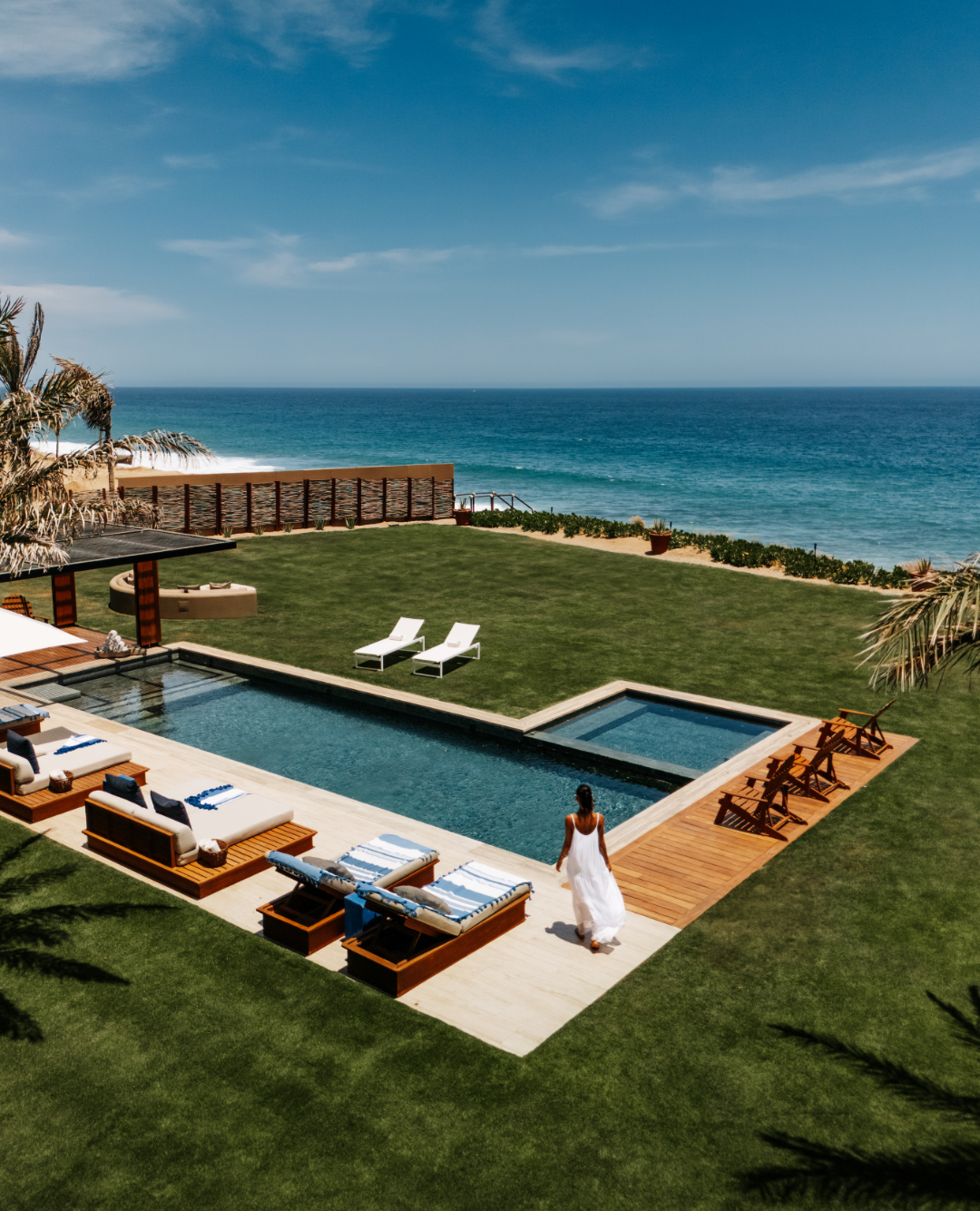
The Global Head of Branded Residential at Hyatt shares her insights into this rapidly growing real estate sector.
Since taking on the role of Global Head of Branded Residential, you’ve overseen a record pipeline. How is Hyatt evolving the “residential experience” to differentiate itself from traditional luxury competitors?
What differentiates Hyatt is that we are not approaching branded residences as simply real estate with a hospitality label. We are thinking deeply about how people want to live – with greater ease, more meaningful connection, and a stronger sense of belonging.
Our advantage is the breadth of Hyatt’s luxury and lifestyle brand portfolio and the emotional relationship people have with those brands. A Park Hyatt residence will feel different from a Thompson, an Andaz, a Miraval, or The Standard residence. Each one has its own point of view, philosophy, design language, and community fabric.
We are also seeing that today’s buyers want more than beautiful design and hotel-style services. They want care, access, privacy, wellness, and community — but delivered in a way that feels personal rather than programmed. That is where Hyatt can really differentiate: by translating hospitality into daily life with consistency, emotional intelligence, and a strong sense of place.

We are seeing a significant surge in the Asia-Pacific and EAME regions. Which specific markets are currently the main focus for Hyatt’s residential growth, and why?
We are seeing strong momentum in markets where generally three factors are converging: compelling lifestyle demand, high-quality development partners, and a clear role for one of our brands.
In Asia-Pacific, we continue to see strong opportunities in resort and gateway markets – places like Thailand, Vietnam, Malaysia, Australia, Japan, and select urban destinations in China – where luxury and lifestyle demand is evolving quickly. Hyatt has a significantly robust pipeline in Asia-Pacific over the next five years, including growth for Park Hyatt, Alila, Andaz and The Standard.
In EAME, the Middle East is especially compelling. Saudi Arabia, the UAE, and other high-growth destinations are investing heavily in tourism, lifestyle, wellness, and mixed-use communities. Miraval The Red Sea is an example of how a destination, a developer vision, and a brand can align around something much bigger than a traditional residential product offering.
We are also navigating thoughtfully through Europe, where lifestyle-led and standalone residential opportunities are becoming more attractive, particularly in markets where global buyers are seeking culture, design, and a more curated way of living.
How do you determine which brand best fits a specific residential market?
It starts with insights about the buyer and the destination with a focus on the real estate dynamics, both current and forward looking. We look at who the future resident is, why they want to live or spend time in that market, and what kind of lifestyle the location naturally supports to enhance design, connectivity and long-term sustainability of a project/residential asset.
Next, we explore around what role should the brand play? Park Hyatt may be right for a market that calls for timeless, residential luxury and highly personalized service. Andaz may fit a destination where local culture, creativity, and discovery are central. Thompson may be right where style, design, and social energy are part of the appeal. Miraval or Alila may be ideal where wellbeing, nature, and transformation are the primary drivers and motivations.
The most important thing is authenticity. We should never try and force a brand into a market. The most successful and meaningful projects happen when the destination, the developer, the architecture, the service model, and the brand promise all reinforce one another.
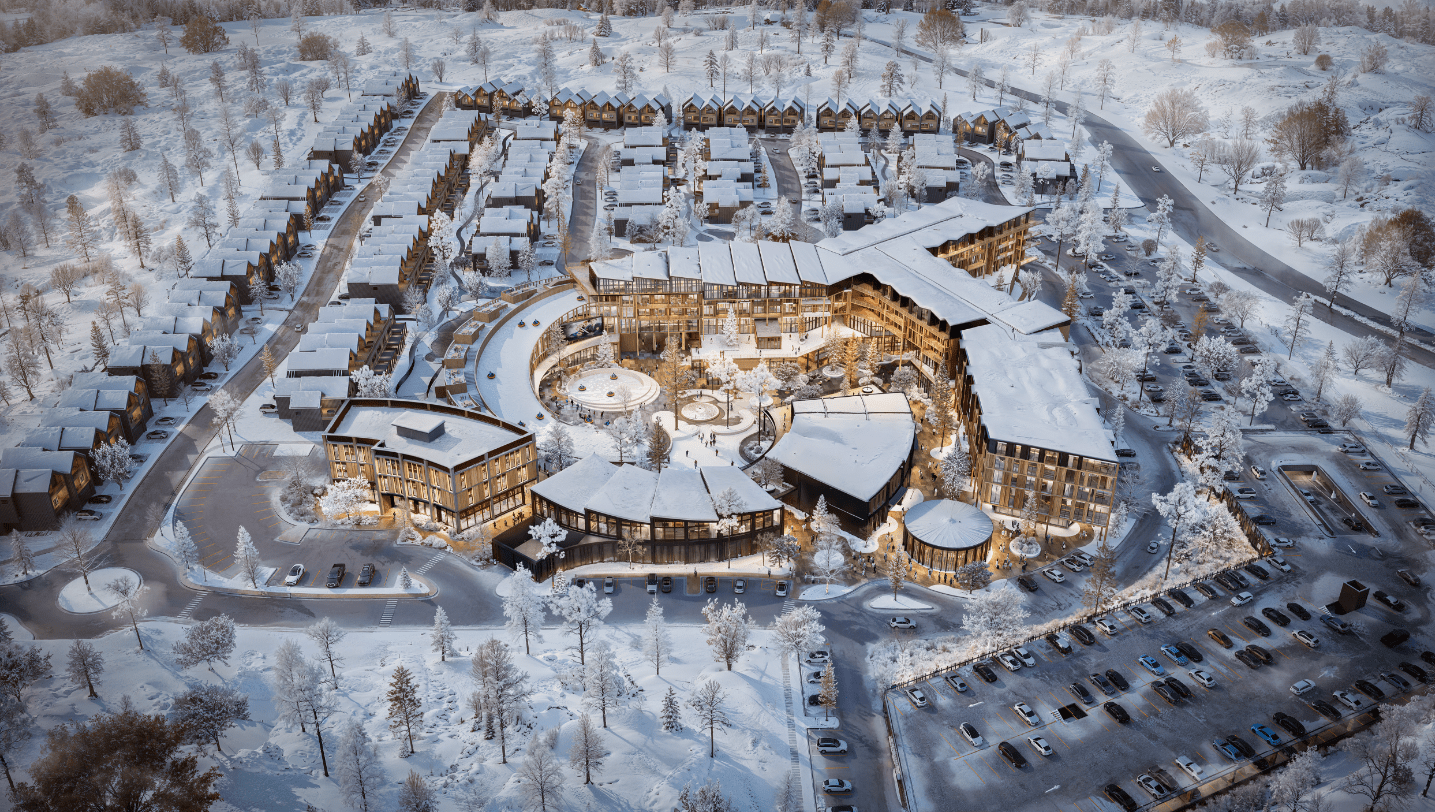
With the 2026 opening of Miraval The Red Sea and Park Hyatt Los Cabos, Hyatt is pushing further into the “wellness-residential” space. How are you translating a brand like Miraval into a permanent home environment?
Miraval is such a powerful residential brand because it is not just about wellness amenities. It is about intentional living.
At Miraval The Red Sea, for example, the residences are designed as only 20 exclusive beach villas with a dedicated focus on holistic living, privacy, and life in balance. Residents will have access to personalized wellbeing experiences, a private host, and programming connected to mindfulness, self-care, and local culture.
In a permanent home environment, that means thinking beyond the spa. It means considering how the architecture supports calm, how outdoor space encourages restoration, how food and movement are integrated into daily life, and how anticipatory and tailored service can offer more time for what matters.
The objective is not to create a resort experience that happens to have homes. Rather, it is to create a home that supports a more intentional way of living every day.
The Standard and Thompson brands bring a very specific “lifestyle” energy to residential. How do you balance the high-octane social DNA of these brands with the privacy requirements of a primary residence?
That balance is absolutely critical. A great lifestyle residence should give owners access to energy, culture, and community – but never at the expense of privacy.
For lifestyle branded living, we think thoughtfully about choreography. This comes down to all of the details from what areas are public and which are private. This ranges from how and where residents enter to which amenities are exclusively for the enjoyment of the residential community. We think about how we create moments of social connection all while still protecting the sanctity of home.
The Standard and Thompson, and for that matter our entire collection, are not one-dimensional brands. Yes, in this example, both have strong social and cultural energy, but they are also highly design-driven and deeply attuned to how people gather. In residential, the expression becomes more layered. Residents can choose when to participate and when to retreat.
The best version of lifestyle residential gives the best of both worlds: the feeling of being connected to what is happening in the city or destination, and the confidence that their home remains private, calm, and secure.

Looking at the next 24 months, which upcoming sales launch or opening do you think will most accurately define the “next era” of Hyatt Branded Residences?
We are in the midst of redefining and enhancing a world of real estate offerings that transcend into meaningful lifestyle experiences that are personal, place driven and powered by our heritage of hospitality and service.
Our upcoming collection has expanded into the most sought-after and memorable places in the world with signature experiences and distinct brands. Whether we are showcasing some of our latest properties in Thailand, Vietnam, Mexico or Europe and beyond, Hyatt residential is rapidly expanding in this segment of branded real estate. We take a comprehensive and expansive view of a dynamic real estate landscape with precision. As the market continues to evolve, we have our resident expectations always at the forefront. We are well situated to cater to the needs of a changing and growing market in all facets of any project worldwide. Each and every sales launch and opening will express the curation of delivering a successful project from conception to service execution and property management.
The next era is certainly not one singular aesthetic. It is a more nuanced residential strategy where the right brand meets the right place, and where buyers can choose a home that reflects how they wish to live for the long-term.
Read more | Adam Dockley, Director and Principal broker of London House, on why the right connections matter
As younger buyers enter the branded residential market, what new amenities — perhaps digital or community-based — are they looking for?
Younger buyers are redefining amenity value. They are less impressed by a long list of spaces and more interested in whether those spaces create a better life.
They want flexibility: places to work, gather, host, reset, and connect. They want wellness that feels integrated, not performative. They want access to experiences — culinary, cultural, fitness, design, music, art — that feel local and current. They also value digital convenience, whether that is seamless service requests, smart-home functionality, ease of arrival, or simpler access to the broader Hyatt ecosystem.
But the biggest shift we see is community. Many younger buyers are looking for a sense of belonging, particularly in resort and mixed-use settings. They want to know who else lives there, what the rhythm of the place is, and whether the brand can help create meaningful connection without making it feel forced.

This role requires extensive travel. Is there anywhere you haven’t been yet that you’d love to visit?
There are always more places on my list, which is one of the joys of this role. I am especially drawn to destinations where culture, design, food, and natural beauty come together in a way that feels completely distinctive. And no matter where I travel, I am always intrigued by what drives and moves real estate.
What is the last truly great thing you bought while travelling?
I purchased from the Vatican Gallery in Italy a very rare and exquisite mosaic art piece. It was inspired by my son’s vision of commemorating our visit to St. Peter’s Basilica during the year of the Jubilee. He influenced our purchase with the immense connection he had to the cultural appreciation and the detailed craftsmanship that went into this art, along with his translation to the representation of our family memories. It is now a proud focal point in our home and we will treasure this piece for years to come.

What is the best piece of advice you’ve ever received, and who gave it to you?
This is a challenging question, as I’ve been fortunate over many years to receive meaningful advice that has helped to shape many aspects of my career journey. In reflecting upon some of the most impactful moments that have stayed with me (and actually has evolved in meaning over time), I had a leader in one of my former corporate roles, early in my career who always told me that you must move out to move up. This was related to taking opportunities geographically reaching and also role reaching. In order to grow, you have to be willing to embrace opportunities that stretch your boundaries of comfort. 100% he was correct and I have followed that advice my entire career thus far. I have since, of course, carried this through to others seeking career (and life) guidance as well.
All images: Hyatt